
Digital marketing blog: practical resources
Our digital marketing blog shares practical thinking on SEO, paid media, conversion design, analytics, and the systems that connect them.
Latest articles
Practical, plain-language articles on SEO, Google Ads and website design.


Why Your Marketing Is Not Bringing Enough Leads
When marketing looks busy but leads stay thin, the problem is usually one weak link — the offer, the audience, the follow-up, or the definition of success.


Local SEO for Kolkata Businesses: Get Found Locally
Local SEO is how a Kolkata business gets found by the people nearby who are actually looking to buy. The basics are small. The payoff is not.


How to Choose an SEO Services Agency in Kolkata
Choosing an SEO agency is hard. Here are the five questions that separate agencies that grow your search presence from those that only grow their invoices.
The mechanics behind durable growth.
Each topic connects channel execution to customer intent, business context, and measurable action.
Organic search
Technical SEO, content quality, search intent and authority: how businesses become easy to find for customers who are already looking.
Paid acquisition
Campaign structure, creative testing, bidding and measurement: how paid media spend turns into useful enquiries.
Conversion design
Messaging, user experience, page performance and friction: why interested visitors leave without enquiring.
Growth systems
Operating rhythms, dashboards, experiments and decision quality: how teams decide what to do next.
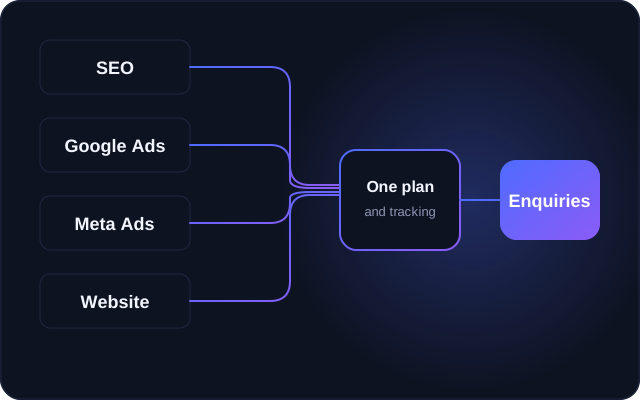
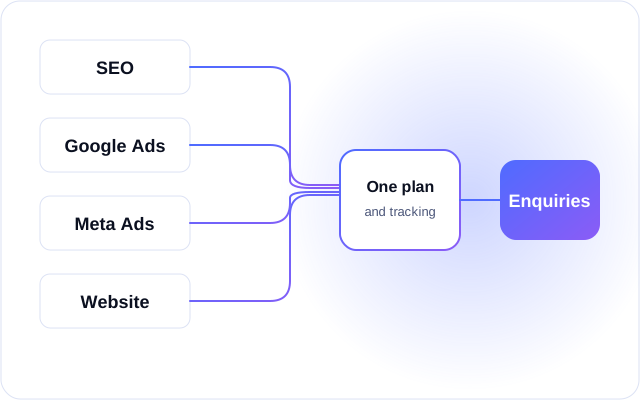
What our digital marketing blog covers
Our digital marketing blog publishes practical, plain-language articles for business owners and marketing teams. Each article answers one clear question, explains the reasoning and ends with something you can check on your own website.
We will keep articles honest about limits: where results depend on your market, budget or website, we will say so rather than promise outcomes. If you run a small business, start with the problem you feel most: low visibility, expensive clicks, a site that does not convert, or unclear reporting.
New articles appear at the top of this page as they are published. Our guides also explain how each channel works and what we look at first.
We choose topics from the questions businesses actually ask us, such as why enquiries have dropped, where ad spend is going or whether a website needs a rebuild. You will not find recycled lists of tips or promises of overnight results. If a tactic depends on context, the article will explain when it applies.
Start with the guides we already have:
- SEO services.
- Google Ads services.
- Meta Ads services.
- web design services.
- Our digital marketing approach.
Want a topic explained? Tell us through the contact page and we will consider it for a future article.
Digital marketing blog: common questions
Quick answers about what you will find here.
What will this digital marketing blog cover?
Four areas: organic search, paid acquisition, conversion design and growth systems.
Who is this blog for?
Business owners and marketing teams who want to understand SEO, paid media and website conversion without jargon.
Where do new articles appear?
New articles appear in the latest articles list at the top of this page as soon as they are published.
Will you publish case studies?
Only when we have real, permitted client results to share.
Can I suggest a topic?
Yes. Use the contact page and tell us what you would like explained.
Where can I learn the basics of SEO in the meantime?
Google publishes a free SEO Starter Guide that explains how search works and what to fix first.
How often will you publish?
We have not set a fixed schedule yet. New articles appear on this page as they are published.
Will the articles be technical?
They will be written in plain language, with technical terms explained when they matter.
Where can I get help now?
Request a free audit through the contact page and we will recommend a starting point.
Need help applying the ideas?
Tell us where growth is stuck. We will map the clearest next move and show you what to measure.